Director Stanislav Bityutsky on contemporary Kyiv, the electronic scene, war, and a new interpretation of a cult novel
Author: Alona Lozovenko
Head of Lifestyle Department Photo: Maya Maksimova
Updated: July 28, 2026
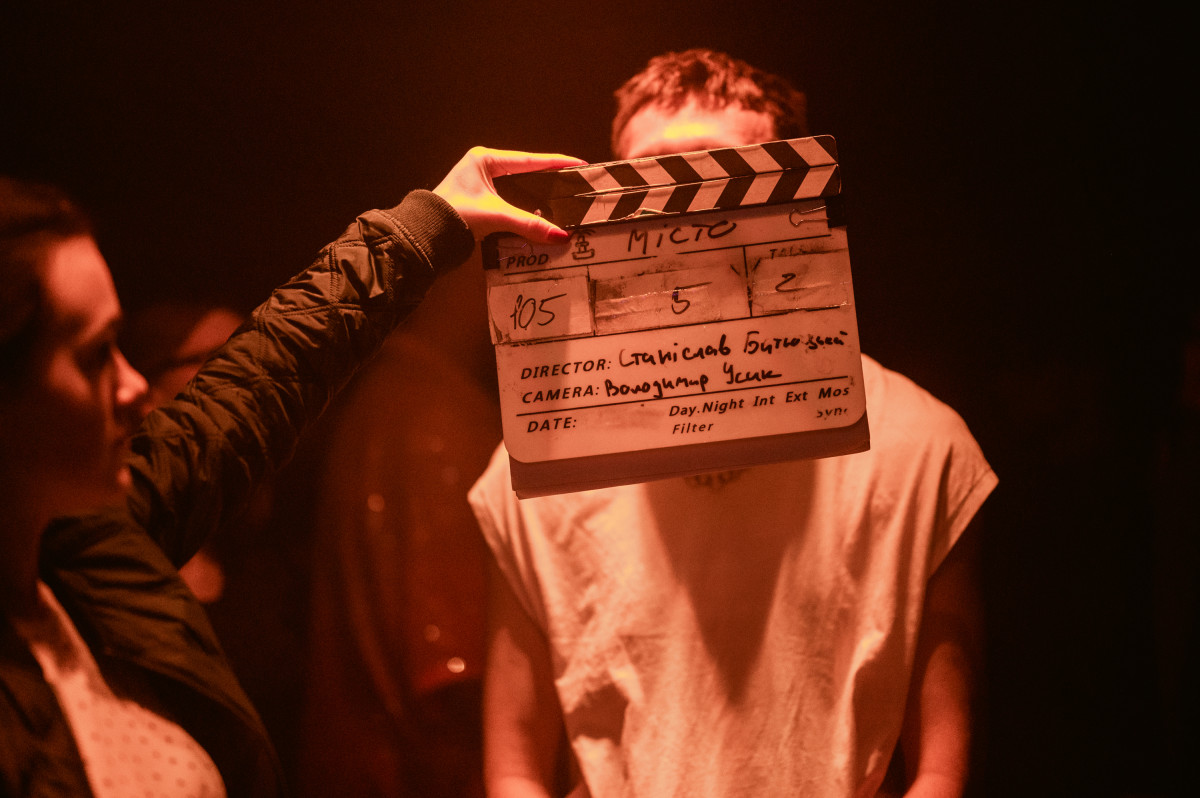
This month marked the completion of filming for the feature-length fictional film “The City” — a contemporary adaptation of Valerian Pidmohilny’s classic novel. The project was shot over 20 days on the central streets of Kyiv, at electronic festival venues, and at the Oleksandr Dovzhenko Film Studios.
The events of the iconic work are transported a hundred years forward, into our present day. The Russian-Ukrainian war continues, and Kyiv is far from festive. There are no loud fireworks or carefree crowds here; it’s a city where everyone carries their own trauma and seeks a path to healing.
24-year-old Stepan Radchenko, who moves to the capital, has been through Russian captivity in the south of Ukraine. In Kyiv, he progresses from a lost provincial to a successful city dweller. Stepan strives to find his place and leave the past behind, gradually constructing a new version of himself — stylish, confident, and recognizable on the capital’s electronic scene.
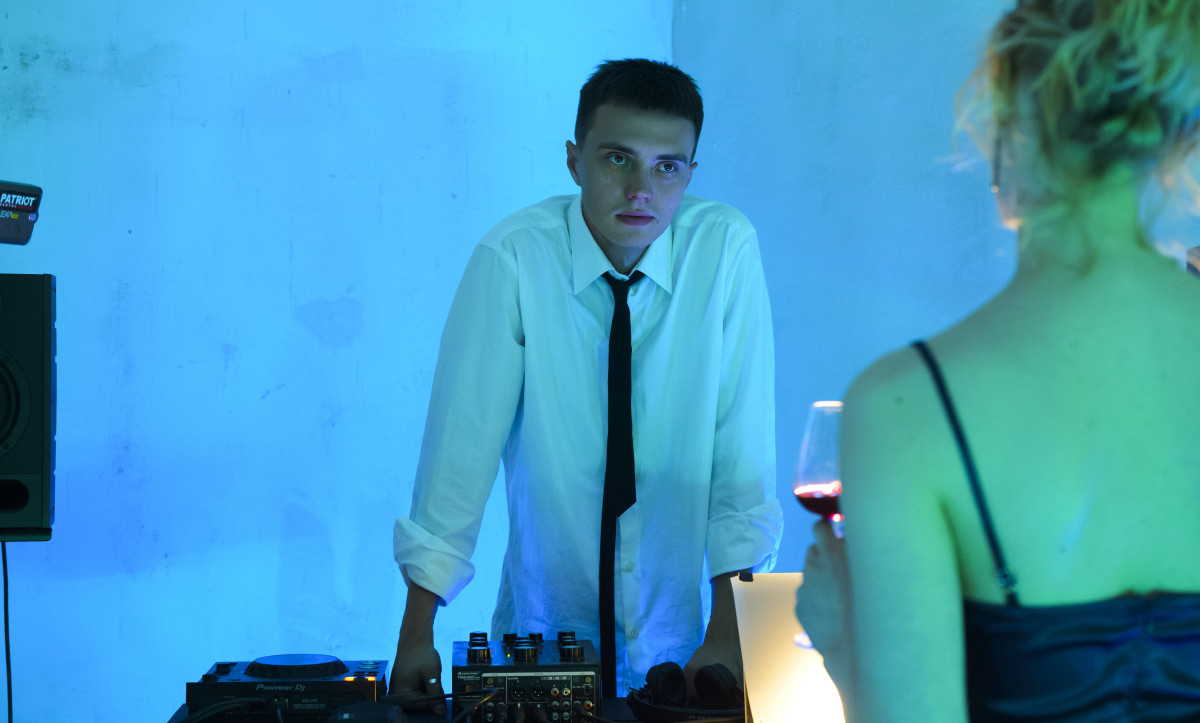
The lead role was played by young actor Maksym Riagin from the Left Bank Theatre. Important female characters for the plot were embodied by the new generation of Ukrainian actresses: Mariia Kovalova played Zosia, Yana Kolodiichuk played Nadiika, and Anastasiia Malakhova played Rita. Akmal Gurezov, Yevheniia Nepytaliuk, Maksym Panchenko, and others also appear in the film.
The film was directed and the screenplay written by film critic Stanislav Bityutsky — for whom “The City” will be his feature-length artistic debut. Stanislav shared in an exclusive interview what remains from the original novel in the adaptation, what challenges were faced on set, and what will resonate with the audience.
You are moving the novel’s events almost a century into the future. At what point did you realize this story had to take place in contemporary Kyiv?
From the very beginning, we understood that if we were to film this novel, we had to bring its events into our time. Initially, we considered a hypothetical time after the war’s end. Then it became clear that it would be much more honest to talk about what is happening here and now, about the life we are experiencing during the war. This became our main task and our challenge in adapting the novel.
How does the war alter Stepan Radchenko’s story?
Our Stepan Radchenko is 24 years old and from Kherson. It was in Kherson that he experienced the Russian occupation, and this has left a significant mark on him. It influences the story itself and him as a person.
What from Valerian Pidmohilny’s novel remains unchanged in the film, and what had to be completely rethought?
The structure of the original novel remains; we didn’t change it. It is written so well, so masterfully, that it became an excellent foundation for working with it and extrapolating how it would happen in our time. The story of Stepan, the young hero who arrives in Kyiv, remains. All four women he interacts with also remain: Nadiika — a young girl, who in the novel is from the countryside, but in our film, she’s from Stepan’s hometown; Toma — an older woman in whose apartment he lives; Zosia — a modern city dweller; and Rita — a girl he meets towards the end of the film. We’ve also kept their relationships largely the same.
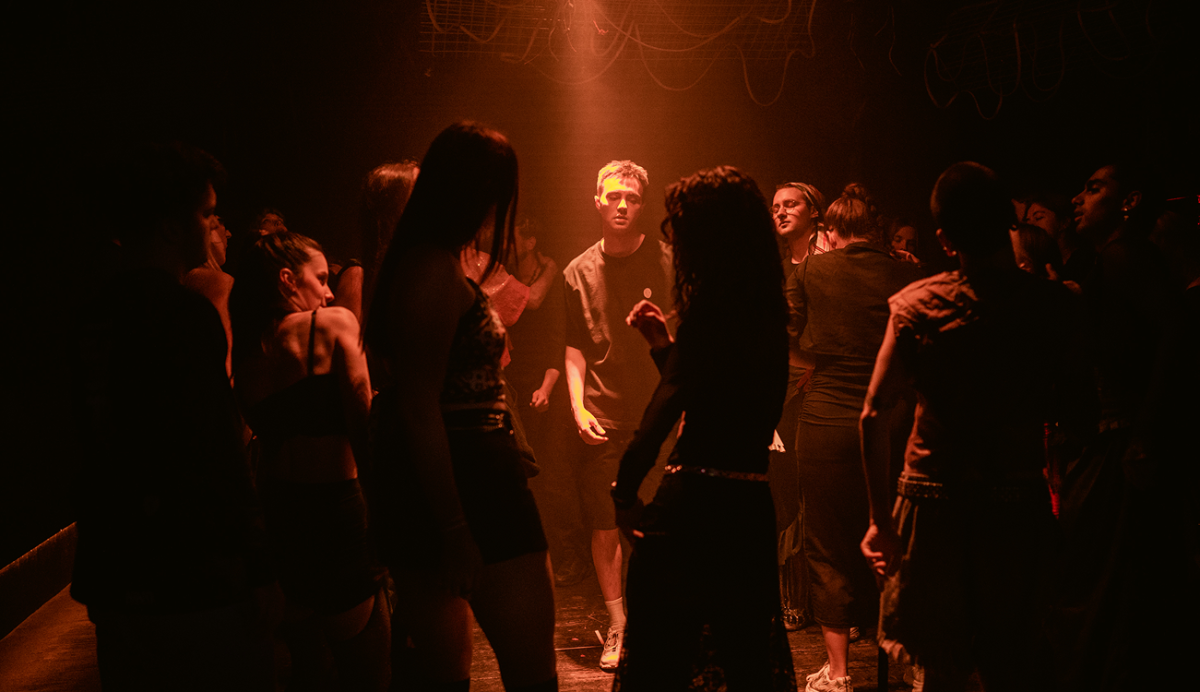
We changed the events and the reality. We replaced the literary background that surrounded everything in Pidmohilny’s work with Kyiv’s electronic scene, which was experiencing a real boom before the full-scale invasion and is now dealing with the challenges faced by the entire country in a very interesting way. Even in such difficult conditions, it remains a very interesting and underestimated phenomenon that, on one hand, is part of culture and art, and on the other, serves as therapy for many people, both military and civilian. Going to clubs offers people with certain traumas an opportunity for therapy, a chance to be themselves, and a way to escape the terrible reality, even if only for a short while.
Kyiv is one of the main characters in Pidmohilny’s novel. How do you convey this role of the city in the film?
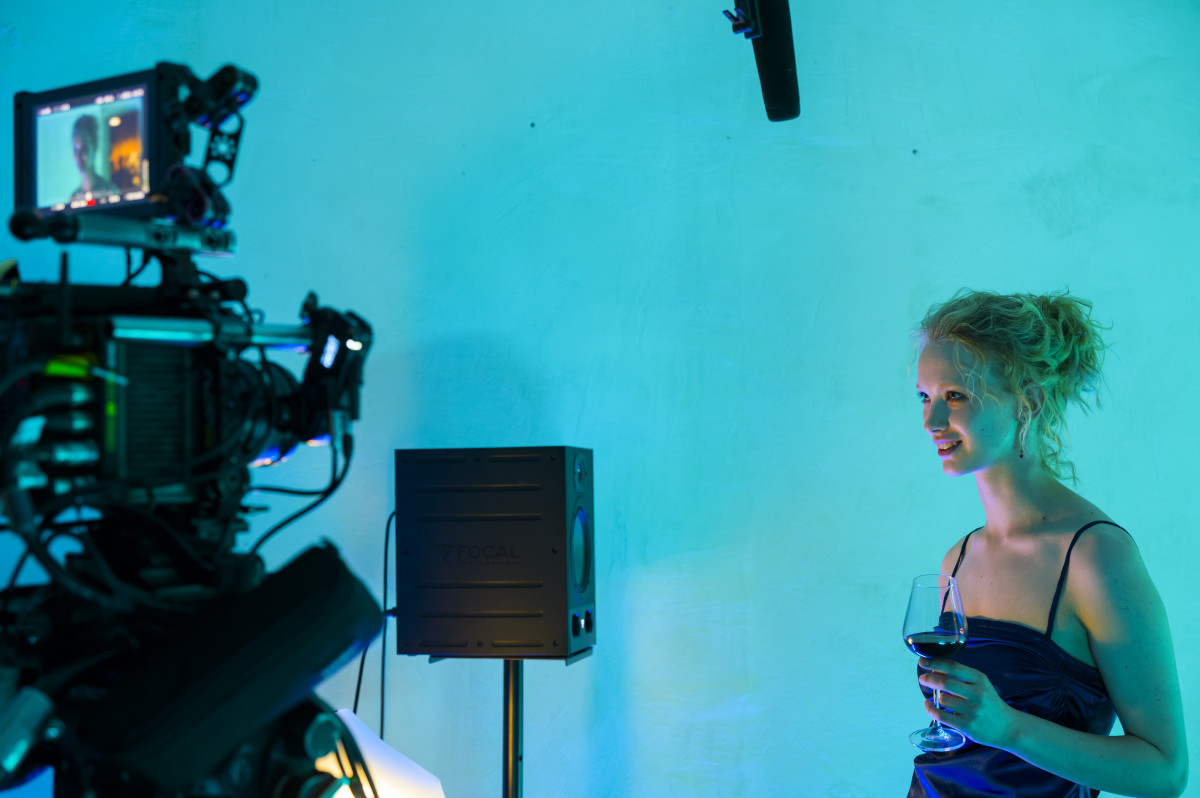
In our film, Kyiv also remains one of the main characters. It’s a protagonist who comes to the capital, experiences different stages in various districts of Kyiv, and also goes through a certain journey from, hypothetically, one of the less desirable areas to more pleasant ones. The novel also features a lot of Podil and iconic places, but at the same time, it was important for us to show contemporary Kyiv. Therefore, we have some landmark locations and important places for the electronic scene, such as Closer and Brukht. Closer is a central location in our film because it’s one of the most significant clubs in Kyiv, having shaped electronic culture over the past 15 years.
Were there any locations in Kyiv that were particularly important for you to showcase?
Absolutely, Closer. We also considered Brukht, the central streets, Podil streets, and iconic Kyiv cafes to be important.
Tell us about the casting. What was most important to you when selecting actors?
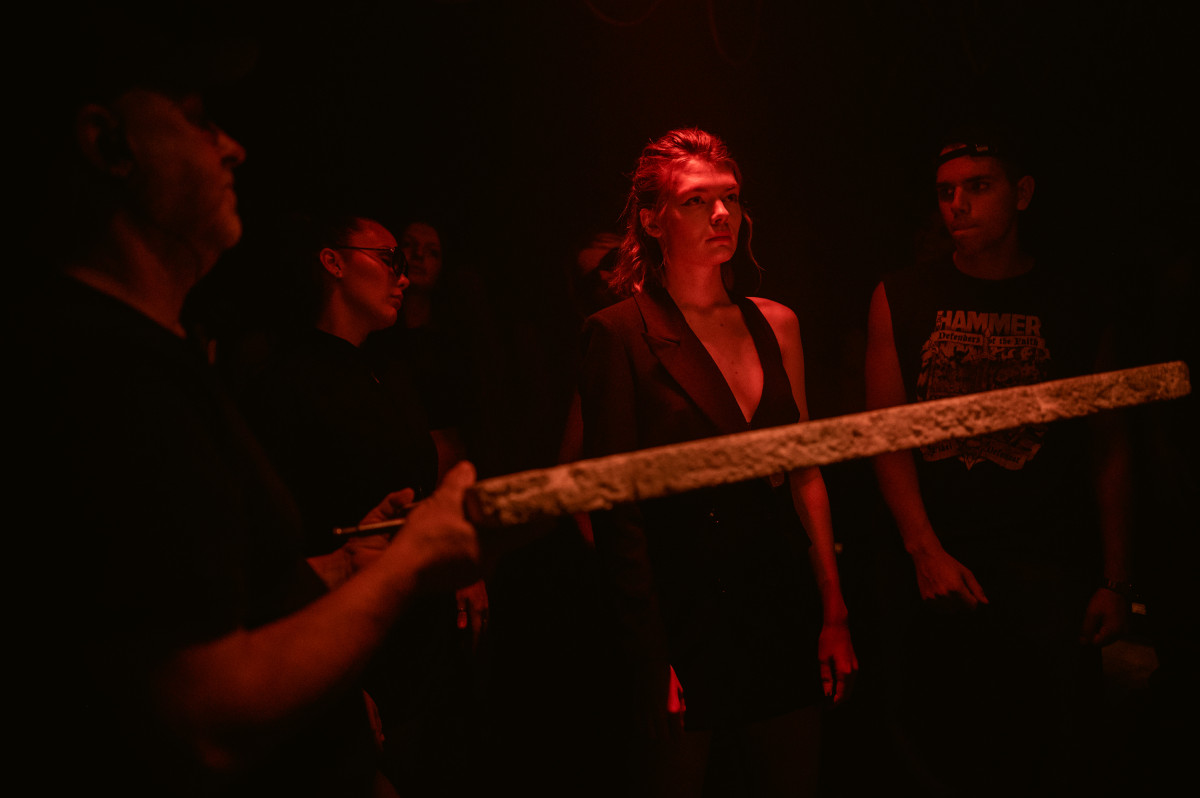
The main thing for us was to find the actor for the lead role — Stepan Radchenko. It was a huge stroke of luck that we found Maksym Riagin — a young actor from the Left Bank Theatre.
Maksym stood out. He distinctly stood out with his face, which hides so much: a certain drama, a certain vulnerability, and at the same time, it can constantly change. And Max himself is so cinematically expressive that when he stands before the camera, he transforms as if he’s a completely different person. His face is captivating, and the camera truly loves him.
Once we found the lead actor, we then searched for the rest of the cast to complement him. We specifically cast to find a match between Stepan and all the other characters. This is how all these young heroines and talented actresses came to be in our film: Yana Kolodiichuk from Lviv, Mariia Kovalova from the Ivan Franko Theatre, Anastasiia Malakhova — also a very talented young actress, Yevheniia Nepytaliuk — an actress whom I believe is greatly underestimated, but I hope our film will give her a significant boost. Additionally, Akmal Gurezov plays one of the most crucial roles in our film, and he is a veritable superstar from the Ivan Franko Theatre.
What scenes were the most challenging to produce?
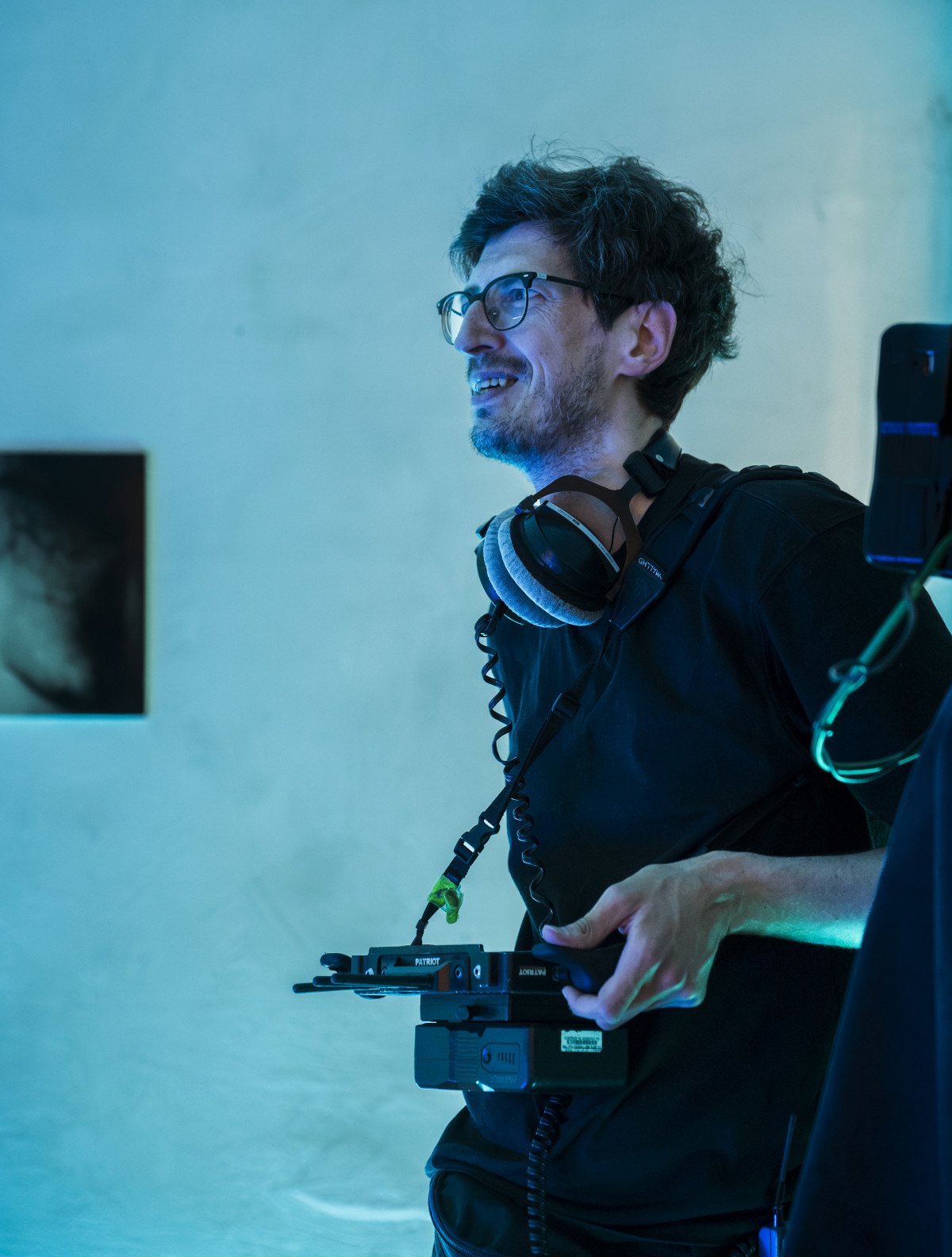
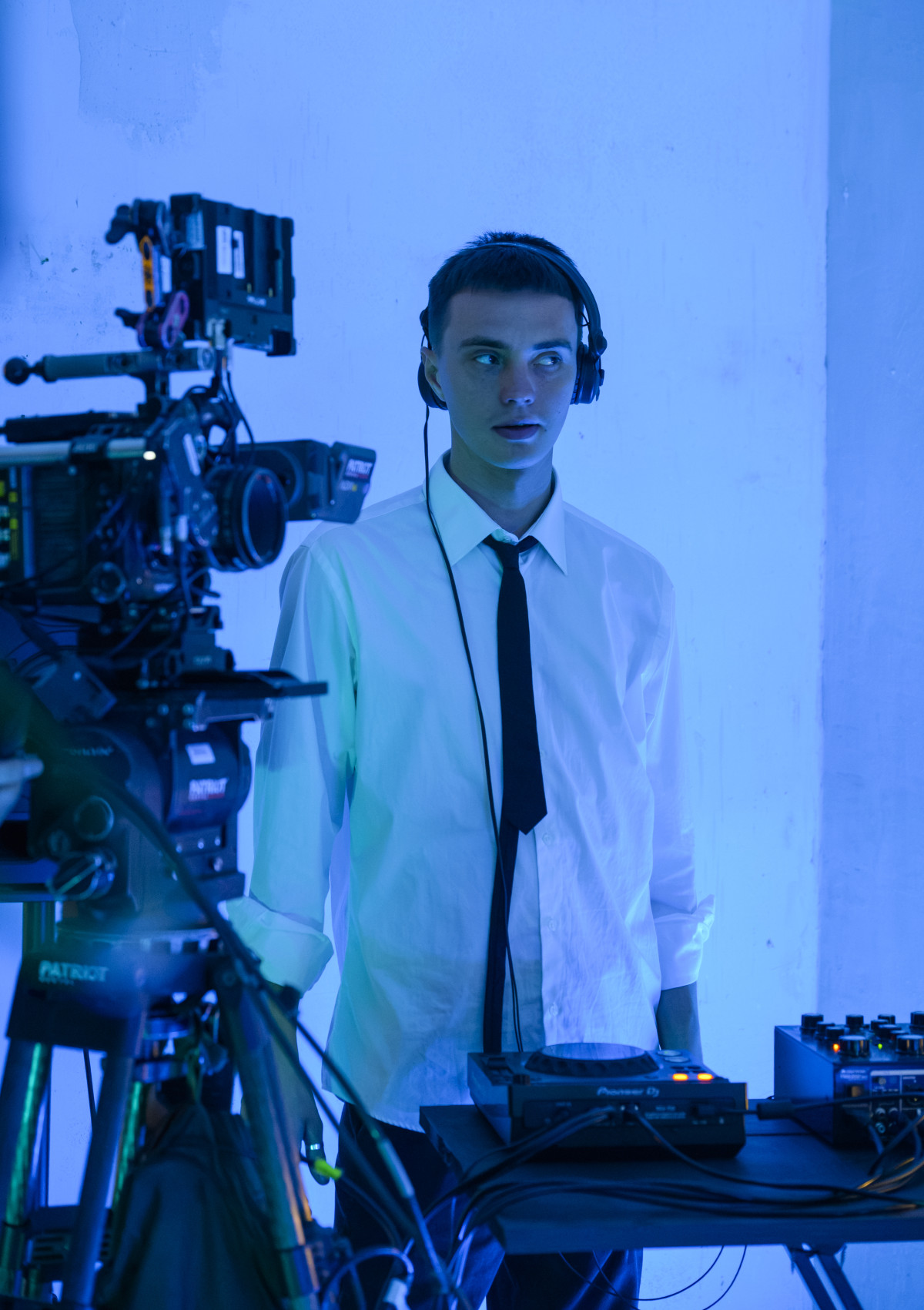
The most difficult part was working at actual parties because there were so many people. For example, we filmed at the Strichka festival in Closer, and it was extremely challenging. Firstly, it’s difficult to work in an atmosphere where you can barely hear each other with the camera operator and the team, and where a lot of improvisation and adaptation was needed. We have quite a few such scenes.
Secondly, the intimate scenes. We tried to make them very sensitive and sensual at the same time, without being explicit. It was sometimes challenging, but I believe we succeeded.
Were you inspired by other film adaptations? If so, which ones?
Not at all. We were filming a movie based on a screenplay that we had worked on for over two years, and we perceived it as a distinct, complete story.
What would it mean to you if this adaptation is truly successful?
First and foremost, we want people who were skeptical about the very idea of adapting or modernizing the novel to see the film and agree that such an interpretation is possible and has turned out quite interesting. That’s the main goal of the adaptation idea.
However, more important to us than how the film is perceived as an adaptation is whether it will be embraced as an autonomous work of art. We hope it will be a film that is simultaneously engaging for young people who might see themselves in it, and for the older audience, who will find nostalgia for their youth, a story about Kyiv, about creative realization, about relationships, and about how we change in relationships.