
So, you’ve just experienced Christopher Nolan’s epic adaptation of Homer’s “Odyssey.” What’s next on your viewing list? The options are plentiful. You could delve into other reinterpretations of ancient Greek myths and texts — from Don Chaffey’s “Jason and the Argonauts” to Pier Paolo Pasolini’s “Medea.” Alternatively, you might choose a different path and immerse yourself in brilliant screen adaptations of major literary works — ranging from cult arthouse films to contemporary serial hits.
“Big Little Lies”
Advertising.
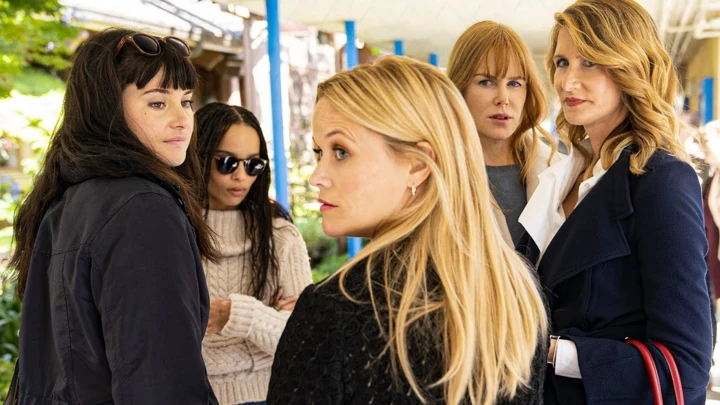
Television adaptations rarely manage to fully capture the magic of a book, but the first season of “Big Little Lies” was a delightful exception. Producers and lead actresses Reese Witherspoon and Nicole Kidman, along with a flawlessly cast ensemble, almost perfectly transferred Liane Moriarty’s novel of the same name — one of the best contemporary “beach read” bestsellers — to the screen. The second season only amplified the enjoyment: luxurious estates, dramatic family conflicts, and top-tier acting made the series a benchmark for escapism. And a third season is expected for viewers next year.
“The Hours”
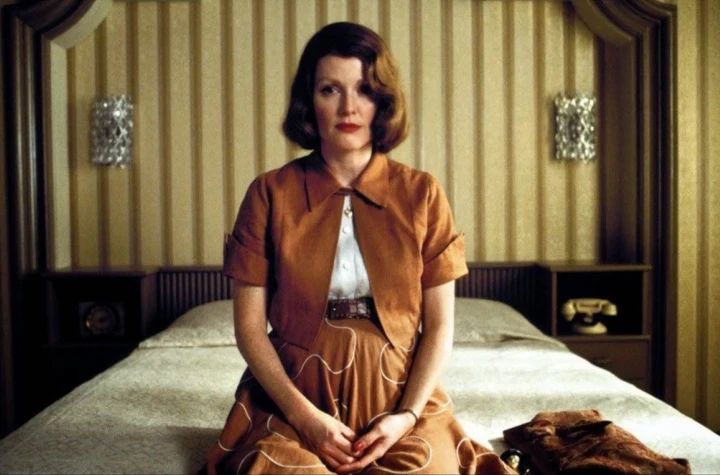
My introduction to this story happened in reverse — I first saw the film, released in 2002, and only then read Michael Cunningham’s novel. The picture truly stunned me with its melancholic beauty: the music, the cinematography, the performances — everything combined made an unforgettable impression.
After watching, I immediately bought the book and was no less captivated. “The Hours” is a contemplation on life and death, in which Virginia Woolf’s novel “Mrs. Dalloway” serves as the thread connecting the destinies of three women from different eras. The film itself is a genuine masterclass in acting: Julianne Moore, Meryl Streep, and Nicole Kidman deliver some of the finest performances of their careers.
It’s remarkable that a novel with almost no external action, but so much internal life and memory, could be transformed into such a compelling film. Much of this is thanks to director Stephen Daldry. Despite all its melancholy, “The Hours” ultimately leaves a very bright feeling.
“My Brilliant Friend”

The HBO adaptation of Elena Ferrante’s “Neapolitan Novels” is a true journey that unfolds over four seasons and four books: “My Brilliant Friend,” “The Story of a New Name,” “Those Who Leave and Those Who Stay,” and “The Story of the Lost Child.”
At its core is the complex, long-standing friendship between Lila and Lenù, which spans childhood, adolescence, love, loss, and decades of change. And if you crave more Ferrante on screen after this, be sure to check out the series “The Lying Life of Adults” and Maggie Gyllenhaal’s film “The Lost Daughter.”
“Patrick Melrose”
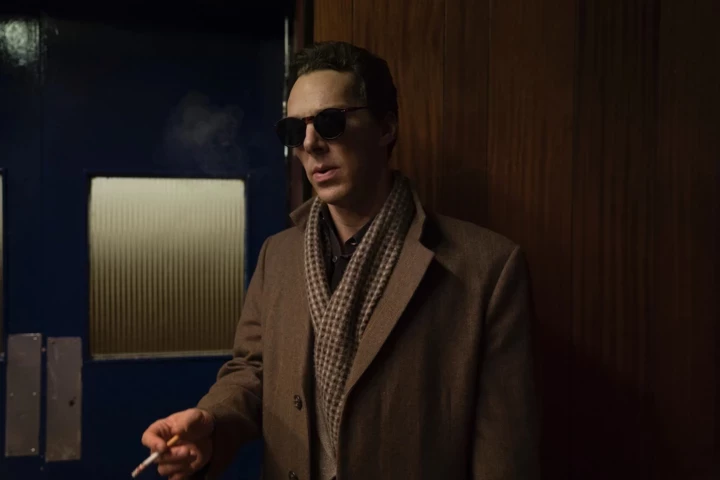
Benedict Cumberbatch stars in the five-part miniseries “Patrick Melrose,” released in 2018. His character is a British aristocrat struggling to cope with past traumas and his own addictions. The series is based on Edward St. Aubyn’s semi-autobiographical novel cycle: “Never Mind,” “Bad News,” “Some Hope,” “Mother’s Milk,” and “At Last.” If you decide to pick up the books after watching, Cumberbatch’s image will almost certainly accompany you on every page. Just remember: this is an extremely dark and emotionally taxing story.
“The Shining”
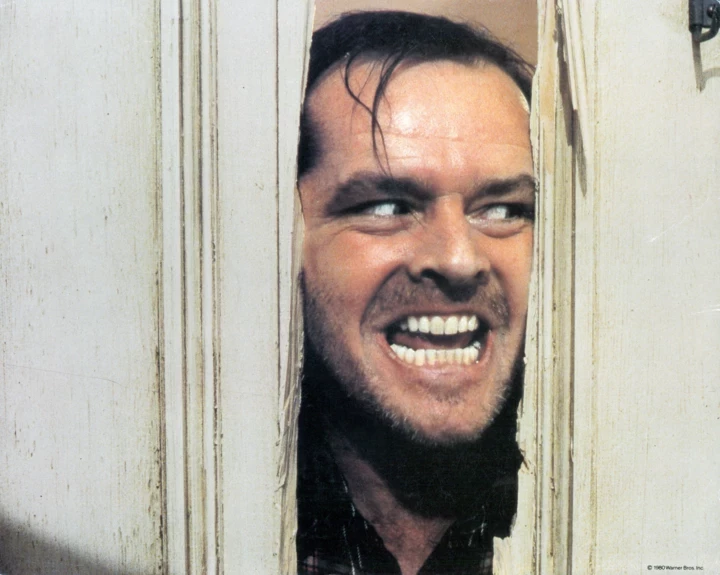
In 1980, Stanley Kubrick adapted Stephen King’s novel “The Shining,” creating one of the most iconic horror films in cinema history. The plot centers on writer Jack Torrance, who agrees to caretaker the Overlook Hotel during the winter season and arrives with his wife and young son. Very soon, the isolated mountain hotel begins to reveal its terrifying secrets.
Although Kubrick took liberties with the book, which at the time displeased King’s fans, he masterfully conveyed its core themes — domestic abuse, alcoholism, isolation, and gradual madness.
A sense of unease is born from literally everything: the music, the framing, the geometrically precise interiors, the vibrant color contrasts, and the long camera movements through deserted corridors. Even the scene where the boy rides his tricycle through the empty hotel hallways becomes one of the most suspenseful in cinema. It’s no wonder “The Shining” has long been a classic, endlessly quoted and reinterpreted by other directors. Like King in his novels, Kubrick masterfully blends the supernatural with the mundane. And he tells the story of a man losing his battle with his own demons.
“No One Knows”
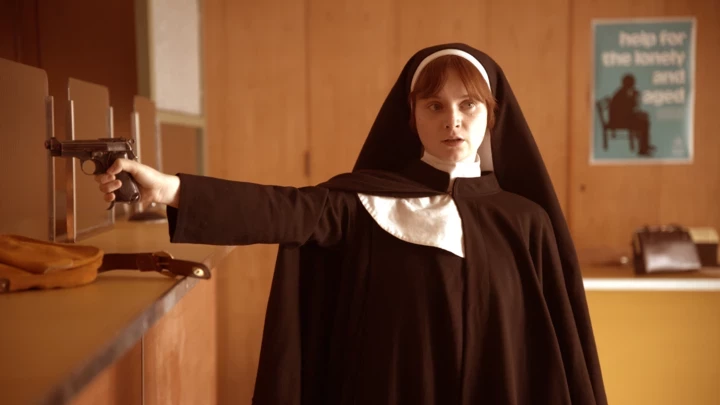
American journalist Patrick Radden Keefe’s book meticulously reconstructs the story of sisters Dolores and Marian Price — the first women to become full members of the Irish Republican Army — and investigates the mysterious abduction and murder of Jean McConville, a mother of ten who was taken from her Belfast apartment during the conflict known as The Troubles. Showrunner Joshua Zetumer created a rare example of an adaptation that not only follows its source material but expands upon it.
This is an exceptionally powerful, poignant, and masterfully crafted series. And now, all that remains is to await the adaptation of Keefe’s new book, “London Falling.”
Material from Vogue.com