
The 1990s were, in many respects, one of the finest eras. Housing was more affordable to rent. TikTok hadn’t yet fractured attention spans. And the best books of the 1990s perfectly captured the spirit of a time when people still believed in a better future, yet were beginning to feel weary of modern life. They increasingly questioned whether the new world was truly as progressive, enchanting, and marvelous as they were told. Does this resonate? That’s precisely why many iconic books from the 1990s still hold up today – their themes remain relevant even after three decades. Here are books worth revisiting or discovering for the first time.
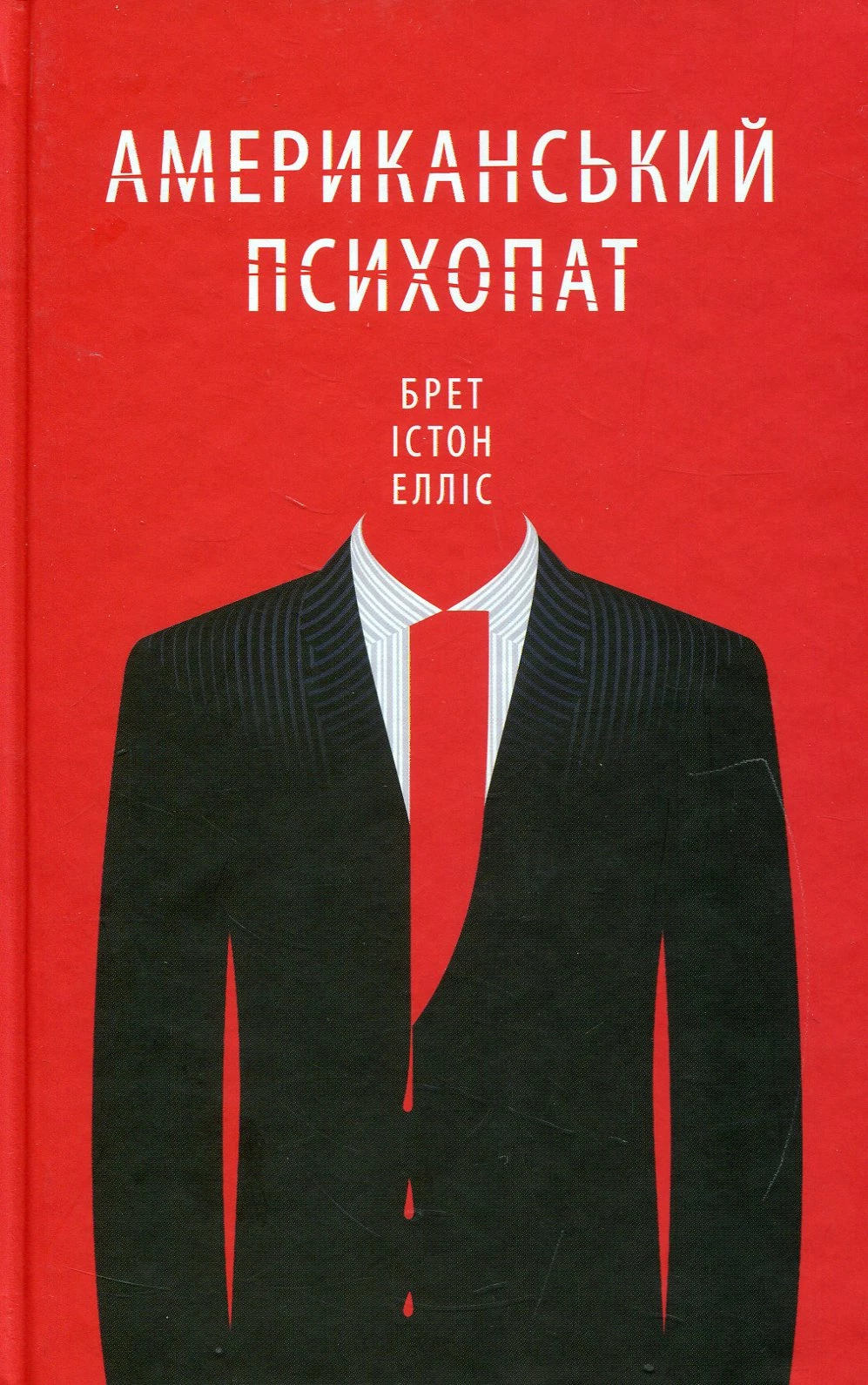
“American Psycho,” Bret Easton Ellis
Advertising.
Other works by Bret Easton Ellis, such as “The Informers” and “Glamorama,” could also have been included on this list. However, it is his most famous novel, “American Psycho,” that resonates with particular sharpness. It chronicles the life of a New York investment banker who is also a serial killer. He also maintains a complex ten-step skincare regimen. In the early 1990s, such an obsession with skincare seemed indicative of psychopathy. Today, it more closely resembles the typical morning ritual of any YouTube vlogger or influencer. The film adaptation starring Christian Bale has long been a classic, but the 1991 novel is even more potent.
“Prozac Nation,” Elizabeth Wurtzel
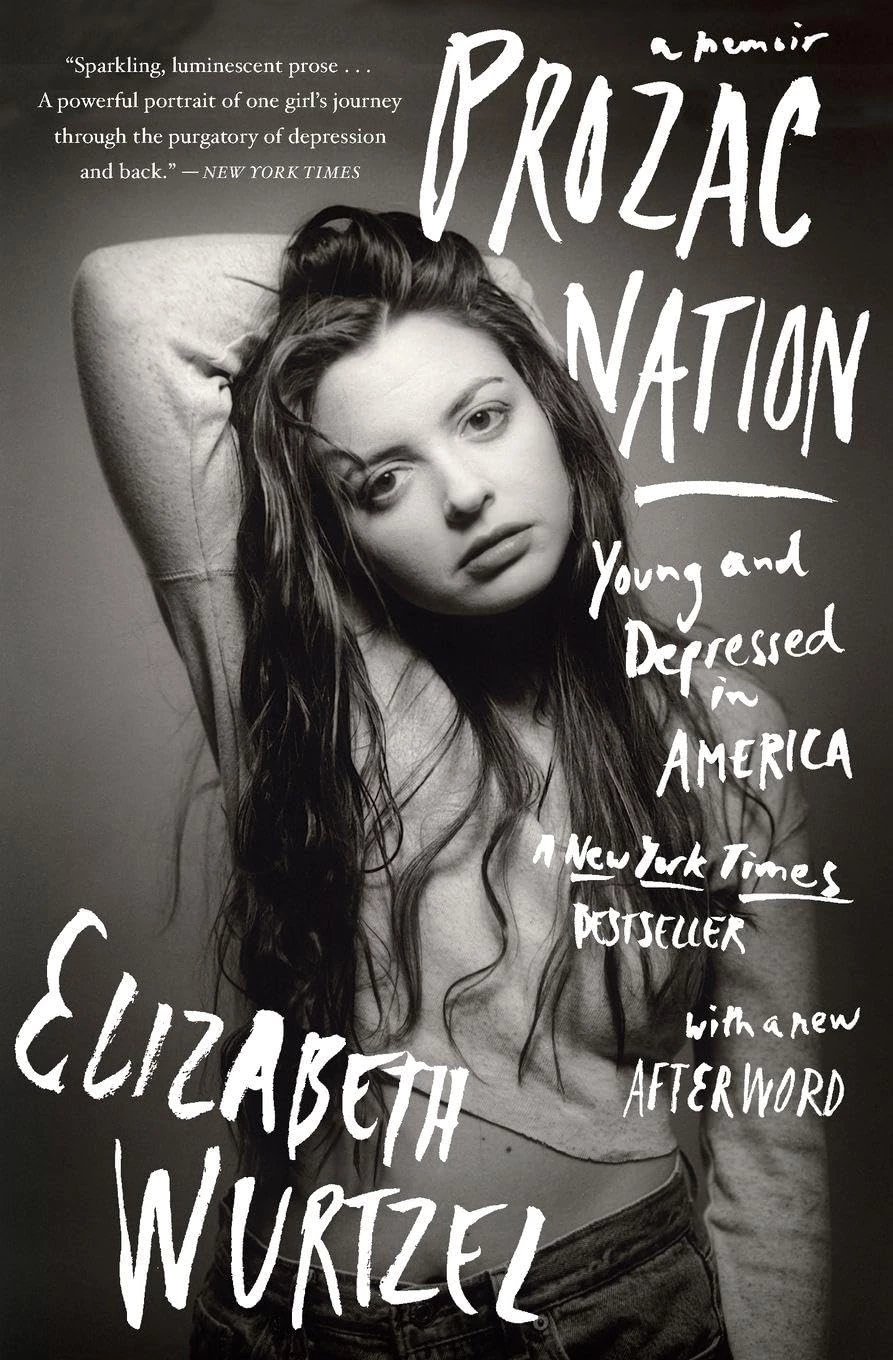
Elizabeth Wurtzel’s memoir, “Prozac Nation,” was released in 1994 and received mixed reviews. One critic for The New York Times described the book as possessing the “unflinching candor of Joan Didion’s essays, the anguished emotional openness of Sylvia Plath’s ‘The Bell Jar,’ and the caustic dark humor of a Bob Dylan song.” This was a remarkably accurate description. Over the subsequent decades, the book has achieved cult status, with readers continually returning to its pages. It also significantly altered the discourse surrounding depression and mental health, particularly among women and female writers.
“The Secret History,” Donna Tartt
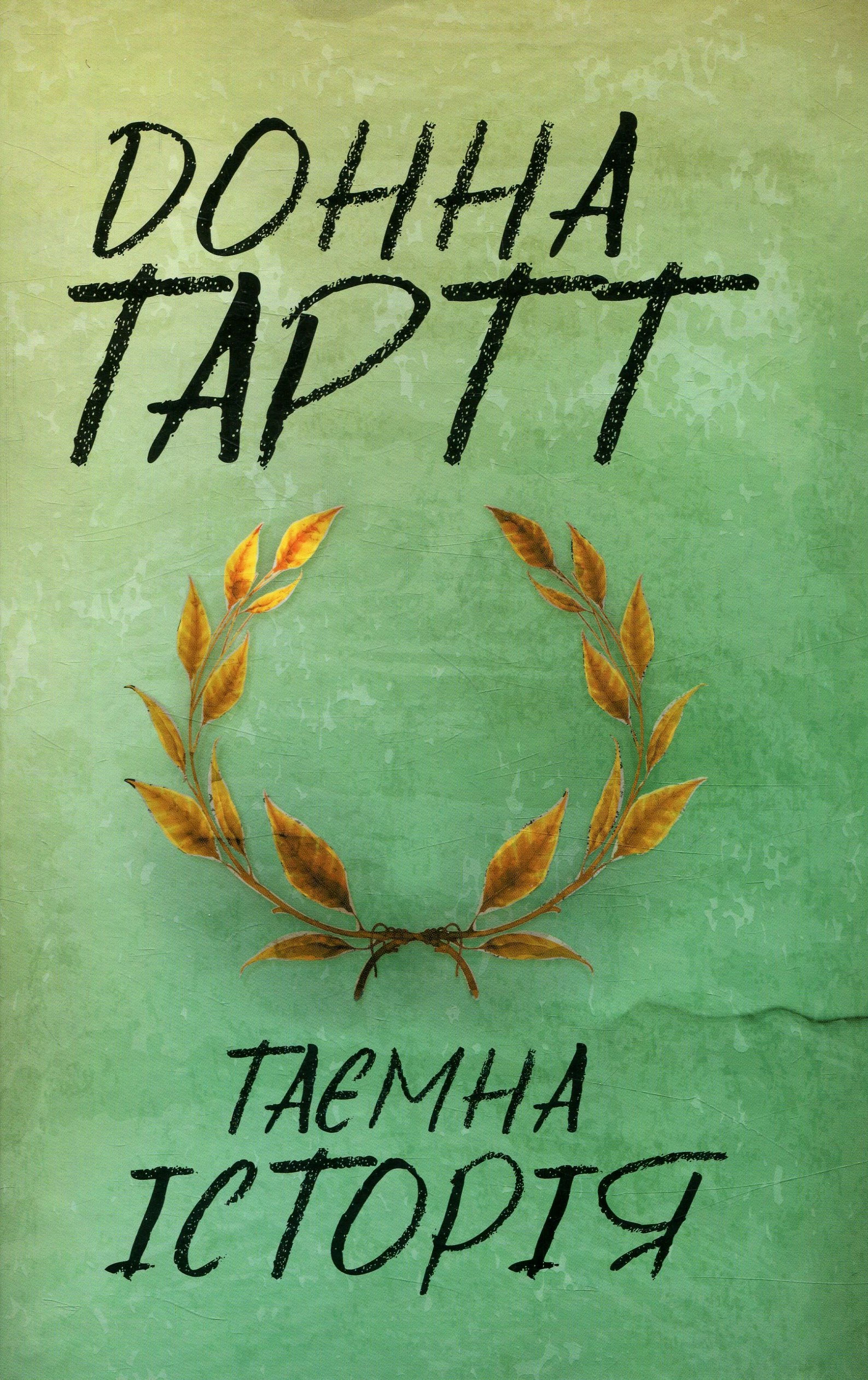
This is a perennial favorite among Vogue editors, and for good reason. Captivating, atmospheric, and undeniably stylish, Donna Tartt’s “The Secret History” is a slow-burn mystery exploring the question of “why did this happen?” Set in an elite New England college during the mid-1980s, it weaves a tale of intrigue, murder, and mounting tension. This is why the book continues to be enthusiastically recommended. An interesting tidbit: the novel was inspired by Tartt’s alma mater, Bennington College, where she was a student alongside Bret Easton Ellis.
“Bridget Jones’s Diary,” Helen Fielding
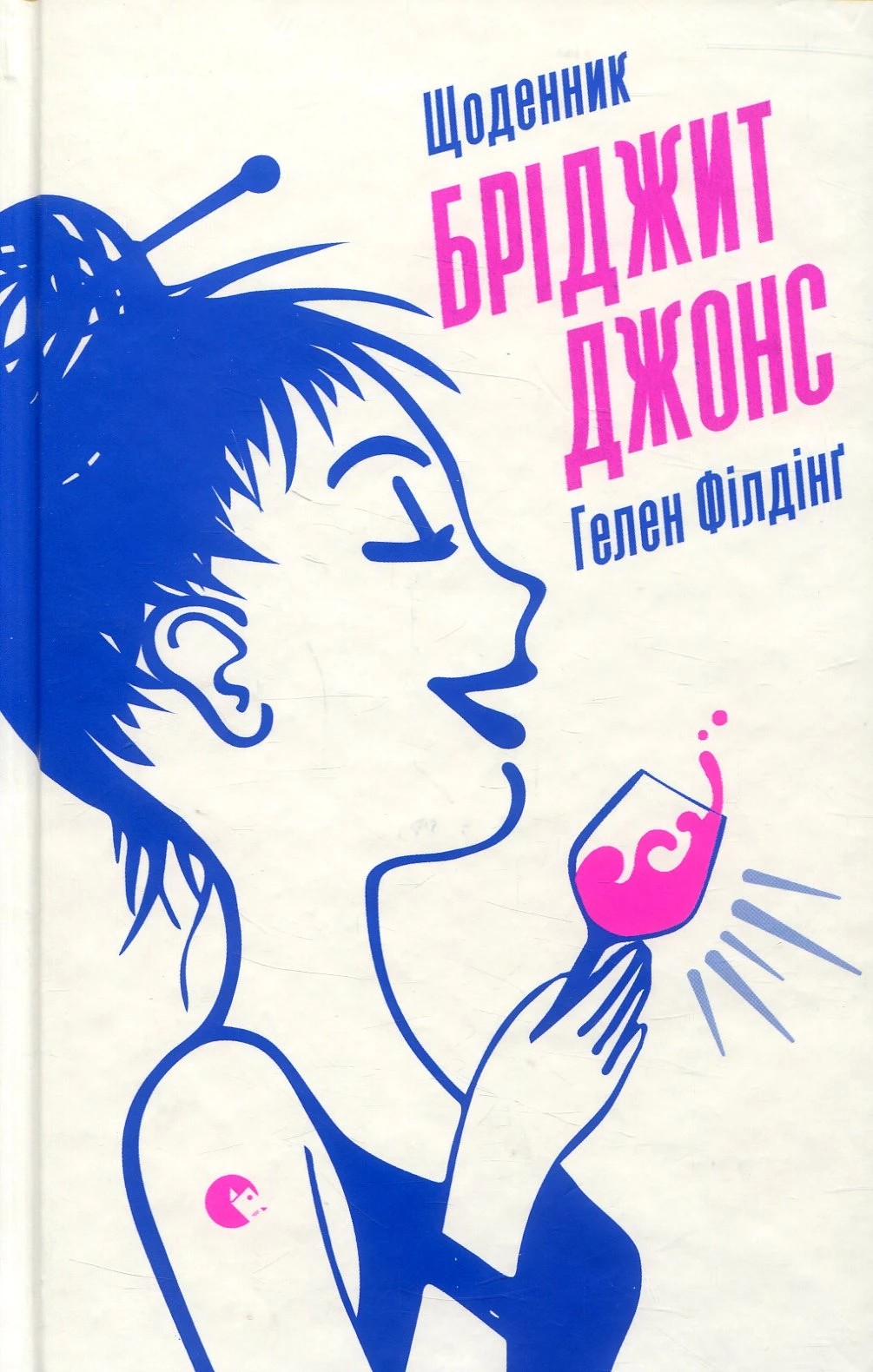
There’s hardly any need to explain what “Bridget Jones’s Diary” is about. In London, at Leicester Square, there’s even a bronze statue of Bridget Jones – or rather, Renée Zellweger portraying her. Such is the cultural significance of this character. However, Helen Fielding’s original novel is absolutely worth reading if you’re only familiar with the films, or even if you haven’t seen them at all. It’s a witty, humorous, and wonderfully lighthearted book. Best enjoyed alone at home with a pint of ice cream.
“The Beach,” Alex Garland

Have you ever dreamed of abandoning your ordinary life, traveling to Thailand, and then settling down with like-minded individuals on a remote, idyllic beach? No? Perhaps you simply haven’t read Alex Garland’s novel “The Beach” yet. Danny Boyle’s film adaptation effectively conveyed the book’s initially sun-drenched, then increasingly unsettling atmosphere, partly thanks to the All Saints soundtrack. However, nothing can truly replace the original novel.
“Kitchen,” Banana Yoshimoto
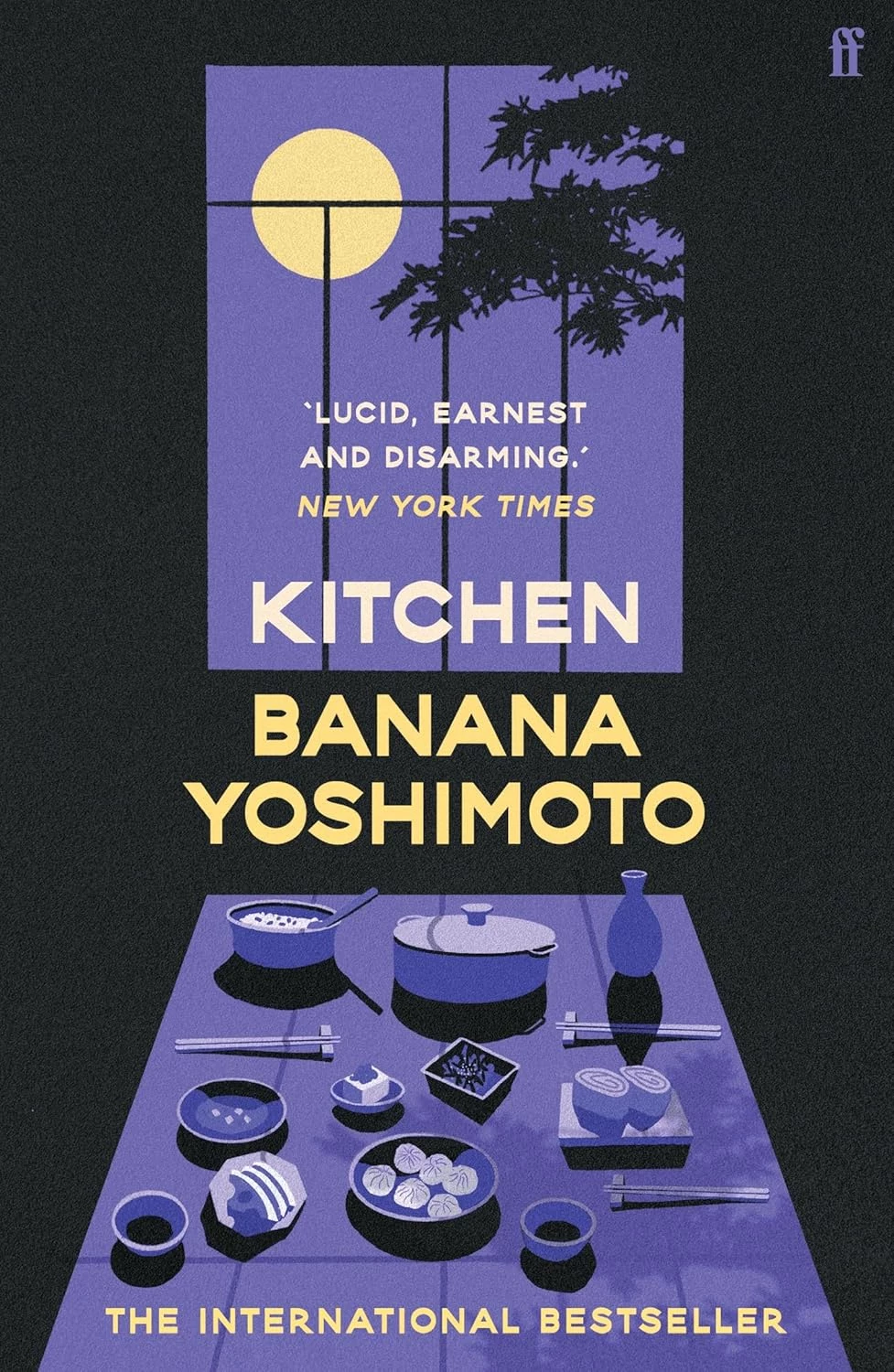
While “Kitchen” was first published in 1988, its English translation appeared in 1993, making it entirely justifiable to consider it a classic of the 1990s. This novella centers on Mikage Sakurai, a young Japanese woman grappling with the grief of her grandmother’s death. Over time, Mikage forms a bond with Yuichi, her grandmother’s friend. Eventually, she begins living with him and his transgender mother. It’s a vivid, poignant, and deeply touching book. There’s absolutely no reason why “Kitchen” shouldn’t be on your bookshelf.
“Parable of the Sower,” Octavia Butler
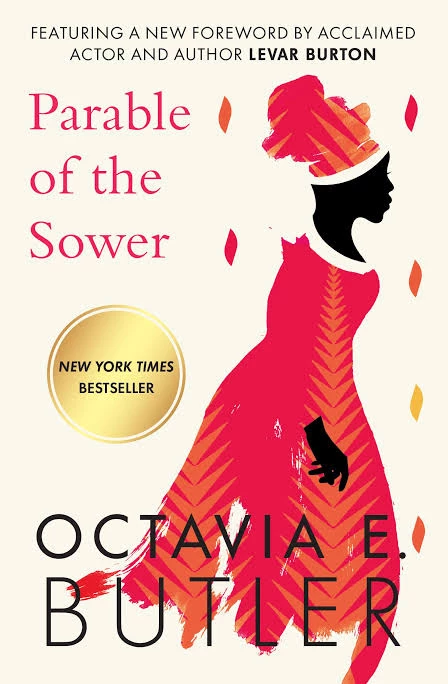
The novel is set in the year 2024. Yes, that very year. It depicts a United States descending into chaos due to climate change, widespread inequality, and corporate greed. Indeed, all these themes are strikingly recognizable today. Octavia Butler’s “Parable of the Sower” is one of those books that everyone should read, even if you don’t typically gravitate towards science fiction. As Abbby Aguirre wrote for The New Yorker: “In the ongoing debate about which dystopian classic is most relevant to our time, Butler’s novel and its sequel may be unmatched in their chilling accuracy of prediction.”
“Generation X,” Douglas Coupland
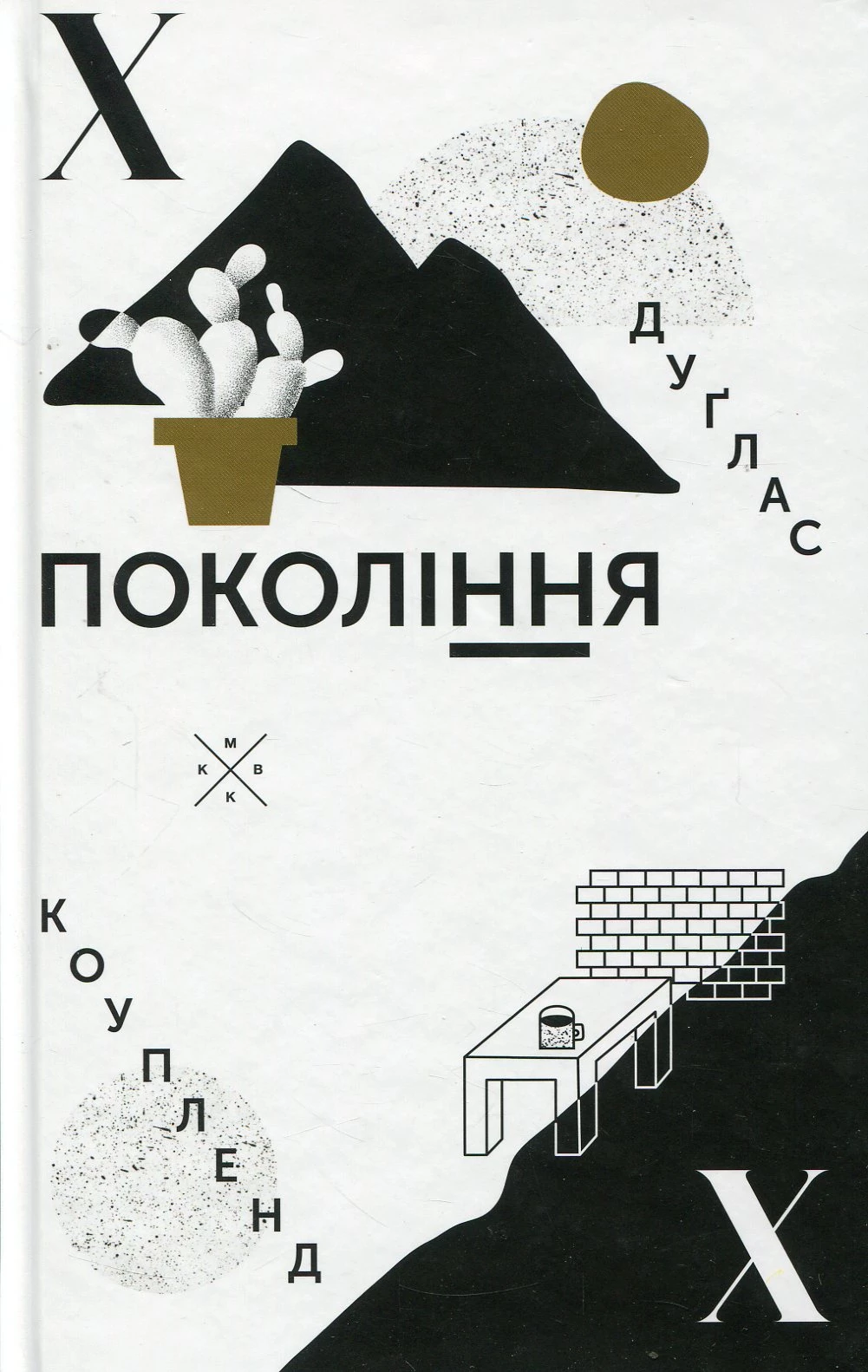
It’s difficult to imagine a book that better encapsulates the spirit of Generation X. This very novel gave a name to an entire cohort. Coupland disliked being categorized with the baby boomers, so he coined a new term for the young people of that era. The novel follows three protagonists in their early twenties: Andy, Dag, and Claire. They have abandoned unfulfilling careers and moved in together in the Coachella Valley. There, they spend their time drinking heavily and working dead-end service jobs. It stands as a true manifesto for the slacker generation.